Incoming Pallet
Receive the palletized product in the required unloading position.

Robotic Depalletizing Systems
DPPS engineers robotic depalletizing systems that remove products from palletized loads and introduce them into the production process with controlled, repeatable handling. Each application is designed around the incoming load, product geometry, unloading sequence, downstream equipment, controls, and safety requirements.
Application Purpose
Depalletizing connects incoming material logistics with the production process. The system must identify how product is arranged, remove it reliably, and transfer it into the next operation without disrupting material flow.
DPPS approaches depalletizing as a complete handling application, coordinating robotic motion with product presentation, conveyors, sensors, controls, safety, and downstream equipment.
System Flow
Receive the palletized product in the required unloading position.
Present products or layers so the robotic system can access them consistently.
Remove supported products according to the required unloading sequence and handling method.
Transfer unloaded product toward conveyors, processing equipment, or the next automated operation.
Coordinate status, controls, and material flow with the surrounding production system.
Application Engineering
Depalletizing requirements can change significantly with product dimensions, stacking arrangement, pallet condition, load consistency, orientation, and the downstream process.
The robotic cell should therefore be engineered around how material actually arrives at the facility and what the next production operation requires.
Account for the way products are stacked and presented on incoming pallets.
Coordinate robotic tooling and motion around supported product geometry and handling requirements.
Move unloaded product into the next operation in the required orientation and sequence.
Integrate PLC logic, operator interaction, sensors, interlocks, and safety devices around the complete application.
Production Integration
Depalletizing frequently operates as the first automated material handling stage of a larger process. DPPS can coordinate the cell with conveyors, product routing, sorting, pick-and-place operations, controls, and production information.
Explore Robotic Material Handling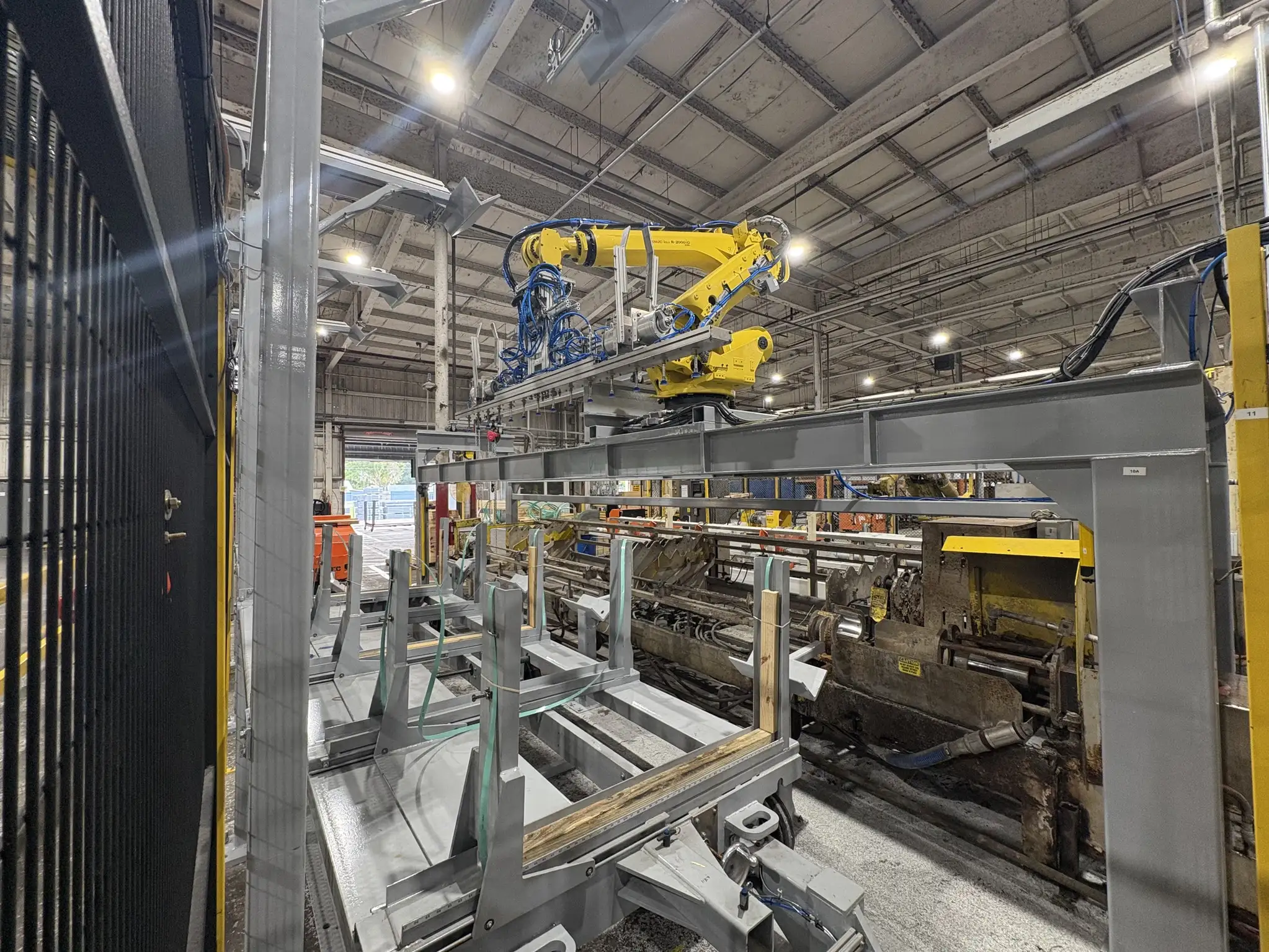
Connected Pallet Recipe Tools
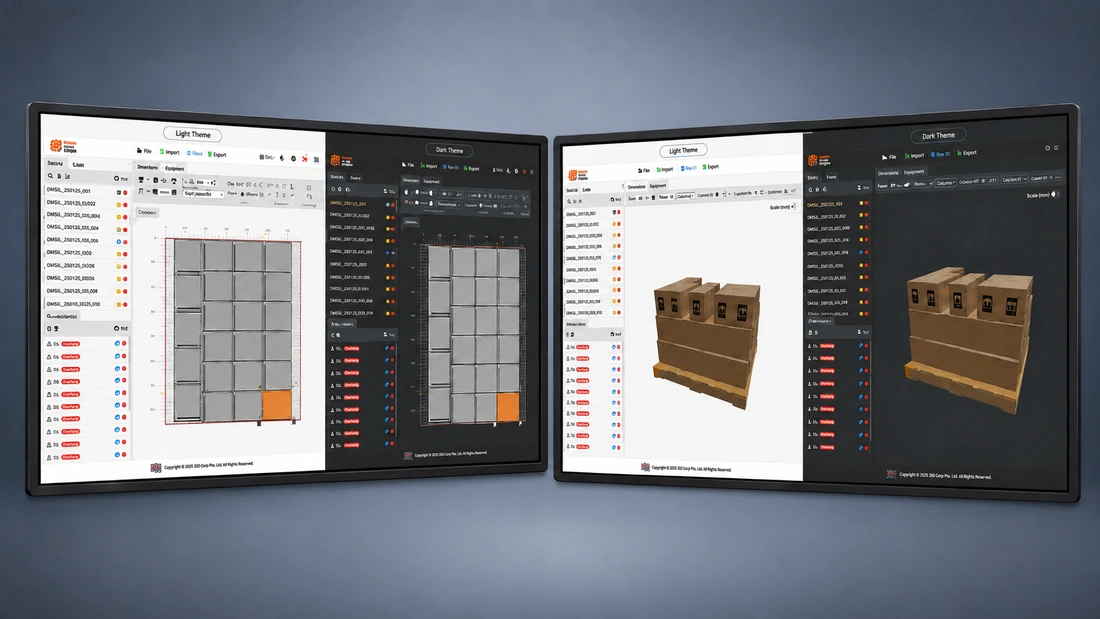
When a depalletizing application works with defined incoming pallet arrangements, Infinite™ Recipe Designer provides visual tools to create, review, and simulate the pallet pattern associated with the application. Connecting that recipe information with the DPPS system gives operators and engineering teams a shared view of the intended load configuration.
Related DPPS Capability
For applications focused on automatically building finished pallet loads, explore DPPS robotic palletizing systems.
Explore Robotic Palletizing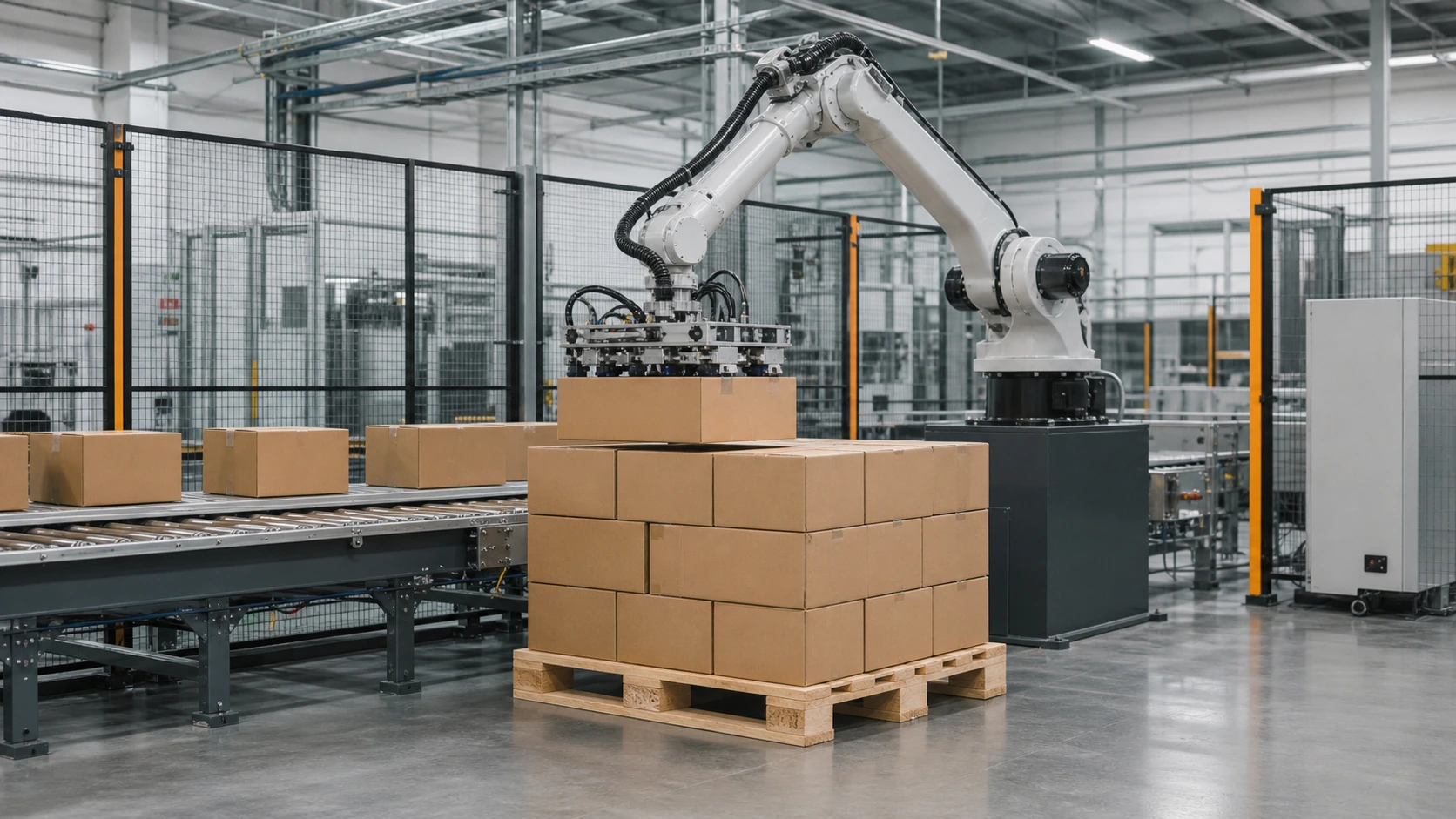
Share the incoming pallet configuration, product information, unloading requirements, and downstream process with our engineering team.
Get a Free Quote